
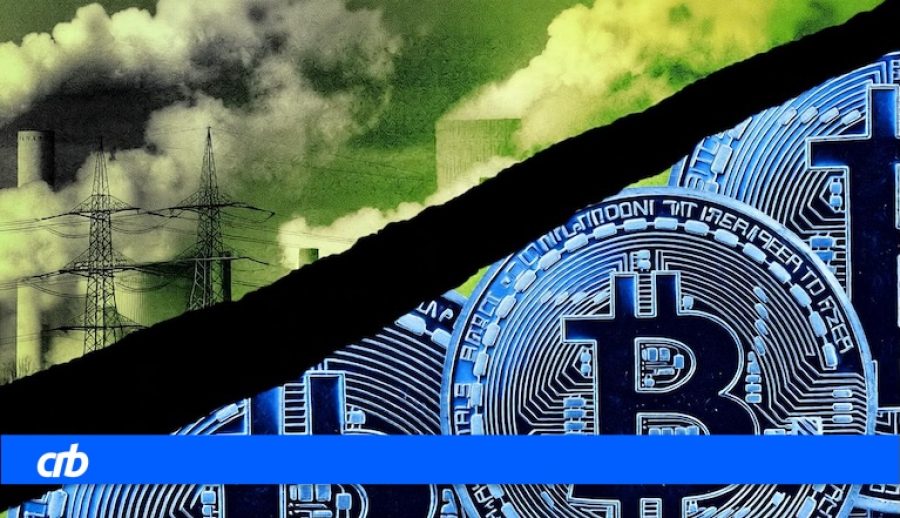
Crbcoin: combining the power of crypto with the proven strength of the carbon market
The worlds of crypto and carbon credits may seem very different at first glance. Crypto is often associated with innovation, decentralization, and digital finance, while the carbon market is known for regulation, compliance, and long-term sustainability. Yet both markets share one crucial characteristic: they have demonstrated resilience, growth, and credibility over many years. Crbcoin brings these two powerful markets together in a way that is both unique and forward-looking.
The long-term growth of the crypto market
The crypto market has existed for more than fifteen years. Since the launch of bitcoin in 2009, crypto has evolved from a niche experiment into a global financial market valued in the hundreds of billions of dollars. Despite periods of volatility, the crypto market has repeatedly shown its ability to recover, adapt, and grow stronger.
Bitcoin, as the first and most recognized cryptocurrency, has proven itself as a scarce digital asset. Over the past decade, bitcoin has gone through multiple market cycles, regulatory changes, and macroeconomic events, yet it continues to play a central role in the global crypto market. Institutional adoption, regulated exchanges, and increasing transparency have further strengthened confidence in crypto as a legitimate asset class.
Today, crypto is no longer speculative technology alone. It is infrastructure.
The carbon market: one of the most secure markets in the world
The carbon market is fundamentally different from many financial markets because it is policy-driven and regulation-backed. In compliance markets such as the EU ETS, companies are legally required to purchase carbon credits to offset emissions. This creates structural demand that does not disappear during economic downturns.
Since 2012, carbon credit prices have increased by more than 1,500%, driven by tightening climate regulations, emissions caps, and global net-zero commitments. Unlike speculative markets, the carbon market is built on measurable emissions, verified reductions, and strict reporting standards.
This is why the carbon market is widely regarded as one of the safest long-term markets globally.
What the big four say about the carbon market
The credibility of the carbon market is reinforced by the world’s largest professional services firms: Deloitte, PwC, EY, and KPMG. The big four consistently highlight the carbon market as a core component of corporate climate strategy.
According to Deloitte, carbon credits will play a critical role in achieving net-zero targets, particularly for hard-to-abate sectors. PwC emphasizes the growing integration of carbon pricing into financial planning and risk management. EY points to carbon markets as a key driver of capital allocation in the energy transition. KPMG highlights the importance of verified carbon credits as a long-term compliance and investment instrument.
These firms do not describe the carbon market as experimental. They describe it as essential infrastructure for the global economy.
Growth comparison: crypto and carbon credits
When comparing growth, both markets tell a compelling story.
Bitcoin has grown by hundreds of thousands of percent since its early days, becoming one of the best-performing assets of all time. The carbon market, while less volatile, has shown strong and consistent growth, especially since 2017, when global climate policy accelerated.
The difference lies in behavior:
crypto grows through innovation and adoption
the carbon market grows through regulation and necessity
Together, they form a powerful balance of opportunity and stability.
Why the carbon market is considered extremely safe
The carbon market’s safety comes from several key factors:
mandatory demand created by regulation
strict verification and certification standards
long-term policy alignment with climate goals
limited supply through emissions caps
As governments tighten climate targets toward 2030 and 2050, demand for high-quality carbon credits continues to rise. This makes the carbon market structurally resilient and less exposed to speculative collapse.
Why crbcoin is truly unique
Crbcoin is unique because it does not treat crypto and carbon as separate worlds. Instead, it combines the liquidity and accessibility of crypto with the stability and growth of the carbon market.
Where many crypto projects rely purely on sentiment or technology, crbcoin is backed by real-world impact. Funds raised through crbcoin are allocated to the development of carbon credit–generating green projects, such as clean water initiatives, reforestation, and renewable infrastructure.
These projects generate verified carbon credits that are sold into the carbon market.
Value creation for crbcoin holders
The revenue generated from the sale of carbon credits flows back into the crbcoin ecosystem. This creates a circular model:
capital funds real green projects
projects generate carbon credits
credits are sold in established carbon markets
value returns to crbcoin holders
This approach aligns financial incentives with environmental impact, something rarely achieved in either market alone.
The future of crypto and carbon together
The convergence of crypto and the carbon market represents one of the most important developments in sustainable finance. Crypto provides transparency, traceability, and global access. The carbon market provides regulation, demand, and long-term relevance.
Crbcoin stands at the intersection of these two forces. Not as a speculative token, but as a bridge between digital finance and real-world climate action.
As both markets continue to mature, the combination of crypto and carbon is no longer optional. It is inevitable.
And crbcoin is positioned at the forefront of that future.